
Fly Fishing
Adventures & Instruction
Learn technique and fly fish the Battenkill River with Brew Moscarello — Orvis® Endorsed Fly-Fishing Guide of the Year Finalist — and his team of passionate and experienced guides.
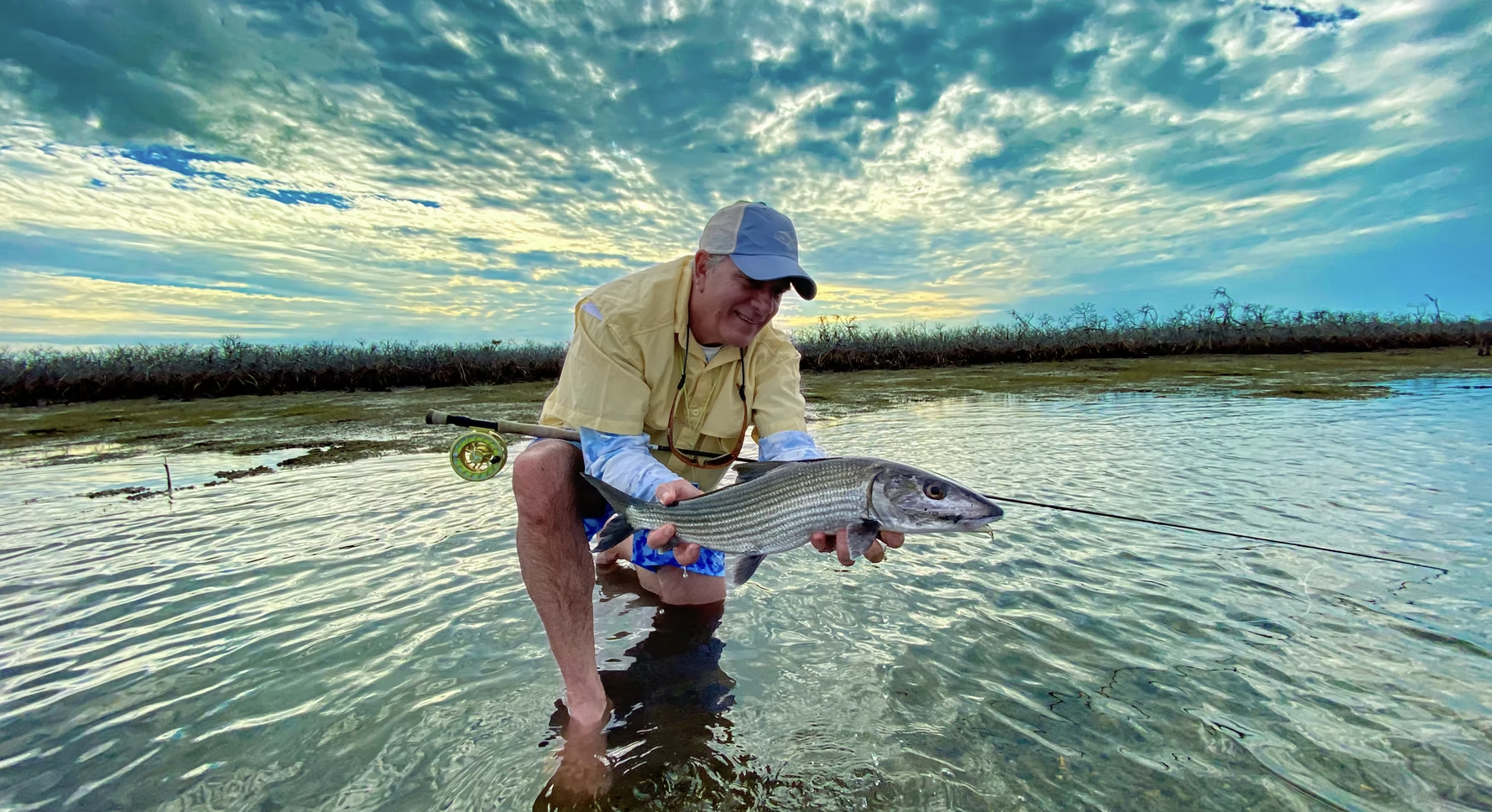
Announcing — Bahamas Bonefishing
Trico Unlimited is heading back to Grand Bahama Island in April 2027. Following the success of last year’s trip with partners Orvis and H2O Bonefishing, Brew will once again host.
“With 75 years of combined fly fishing experience in Southern Vermont, my guide team takes great pride in our deep understanding of the Battenkill and its surrounding waters. We always strive to deliver an unforgettable experience for every guest.”
Whether you’re a seasoned angler eager to hone your skills, or a beginner excited to experience the magic of fly fishing, Trico Unlimited is here to guide you. We focus on the artistry and joy of fly fishing by offering expert instruction within the beautiful Green Mountains of Vermont.
Choose a Trip
-
Half-Day Trip
Our most popular option and a balanced experience.
-
Full-Day Trip
For a comprehensive fly fishing journey.
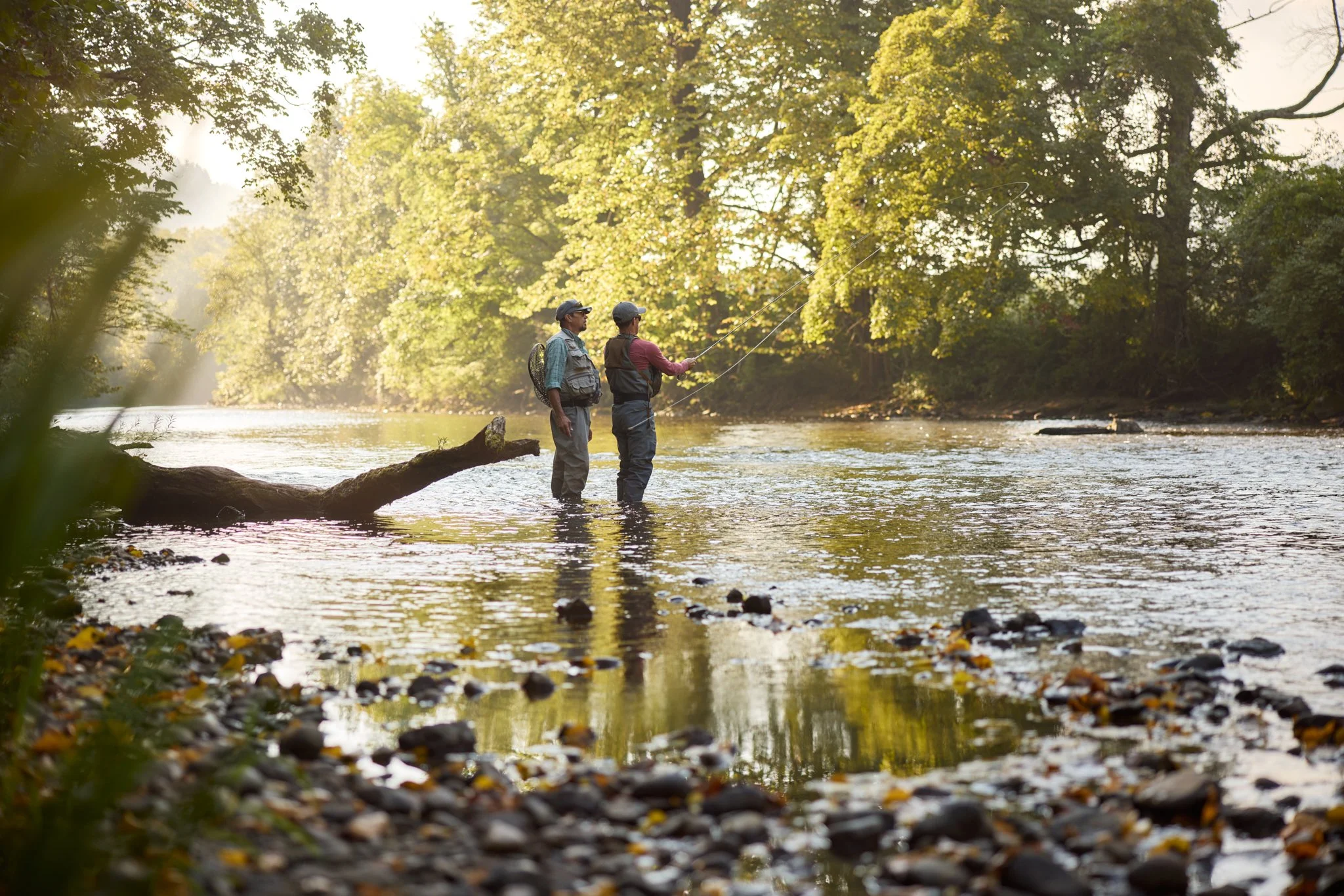
-
2-Hour Session
Introduction, or, technique refinement.
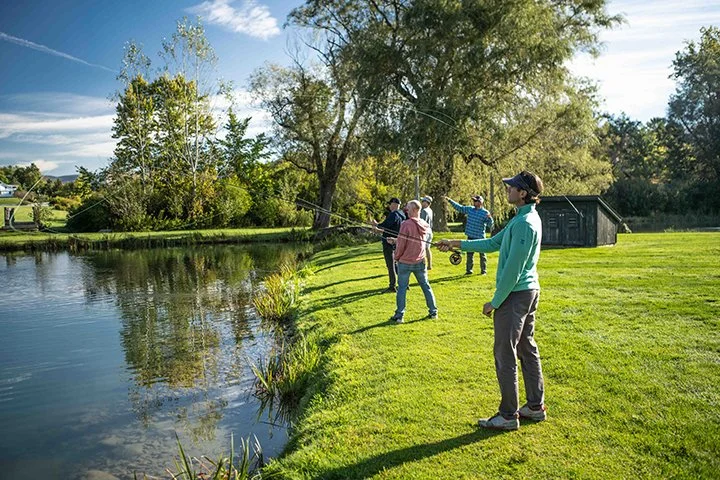
Forty Years on the Battenkill
A truly great approach to fly fishing goes beyond something you practice and becomes something you can teach. After four decades on the Battenkill, Brew has developed a system built on reading water, timing hatches, understanding insects, and fishing with the kind of disciplined restraint this river demands. Every Trico Unlimited guide shares the same approach, and uses it themselves to teach clients.
This short video captures the client experience of being out on the water with Brew.
Watch Brew tackle the challenging conditions of dry fly fishing in Fall during a historic drought.
Wild Trout, Wild River
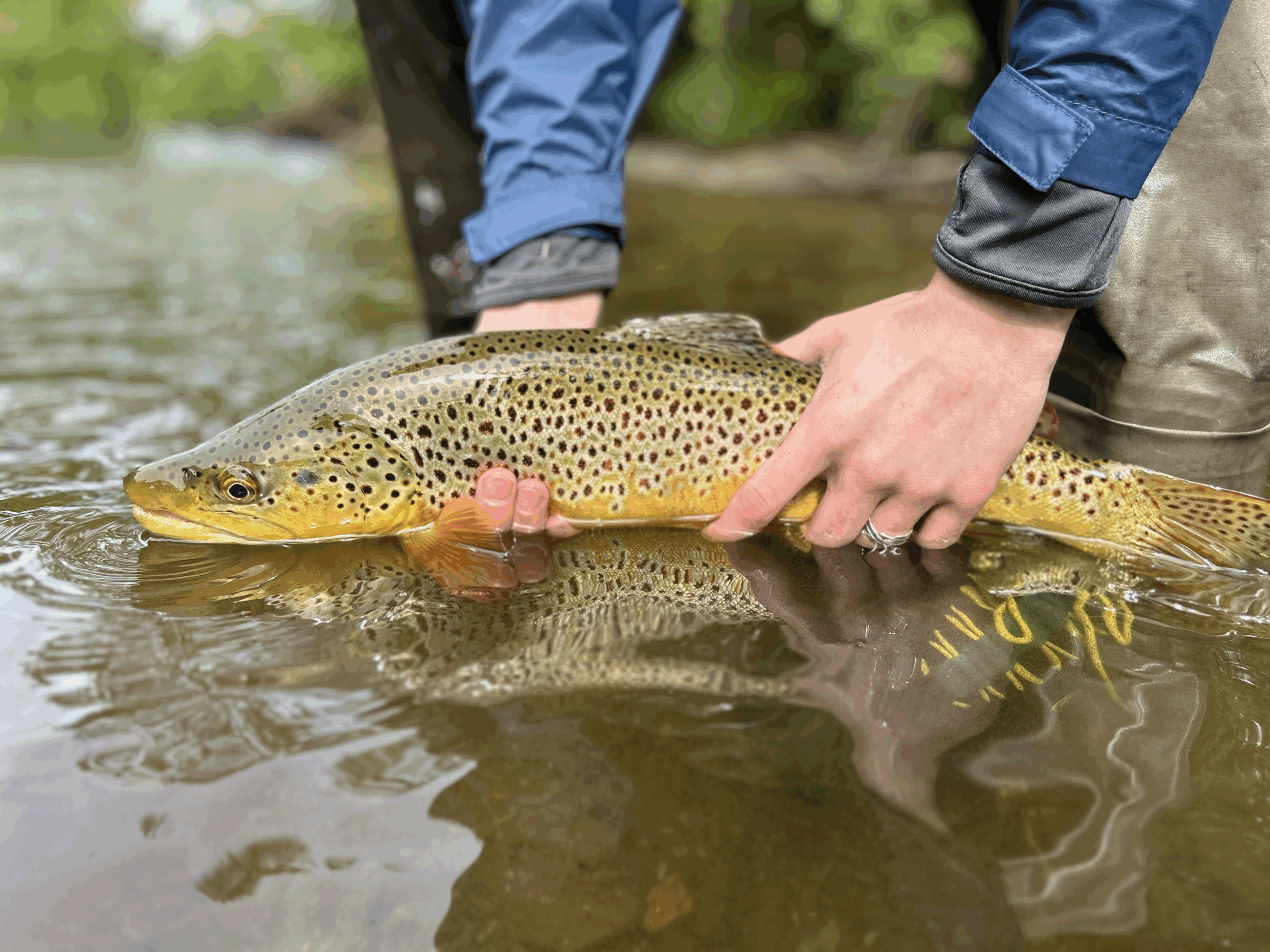
The Battenkill is one of the East's premier wild trout streams. Every fish you catch survived winters, navigated floods, and claimed a lie where the river current delivers food and structure provides safety.
To guide responsibly means understanding you're a guest in this trout's home, not the other way around.
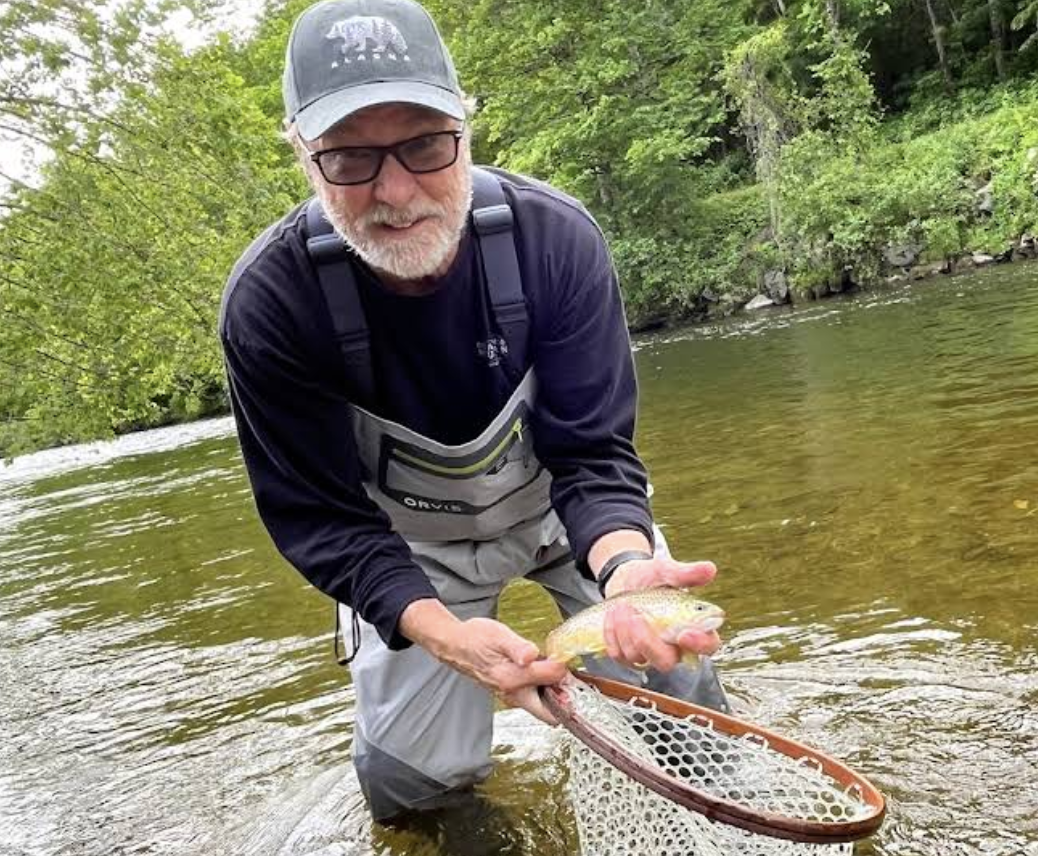
“Tom was fantastic”
My fishing experience on the Battenkill River with [Trico Guide] Tom Miller was fantastic. Water was fast and the fish were elusive. Tom did a fantastic job helping me to land fish and improve my skills incredibly.
– Alan J.
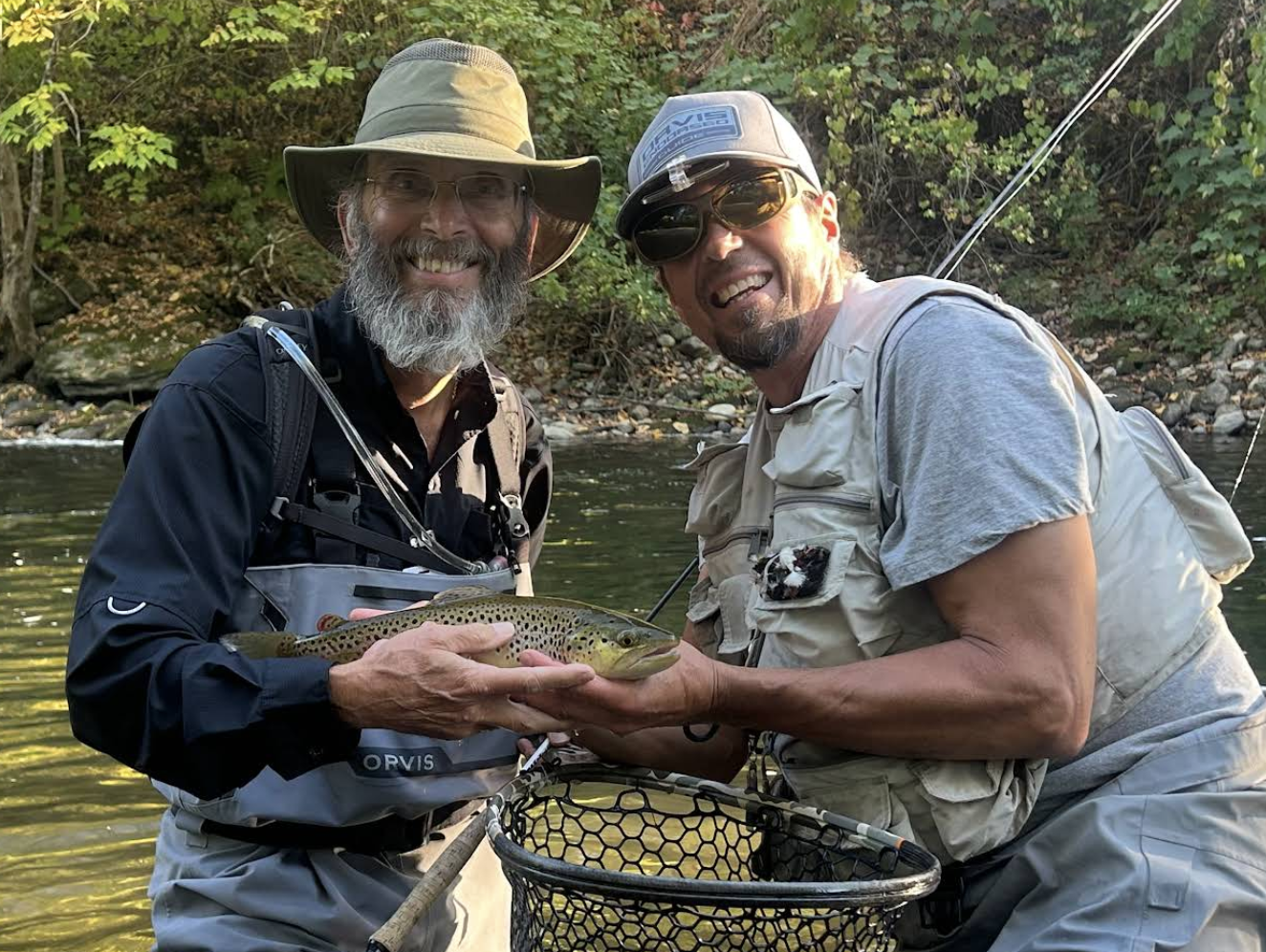
“Trico is first rate”
First time fishing. First fly fishing lesson. First fish caught, a 15 inch wild brown trout. Trico is First Rate!
– Bob P.
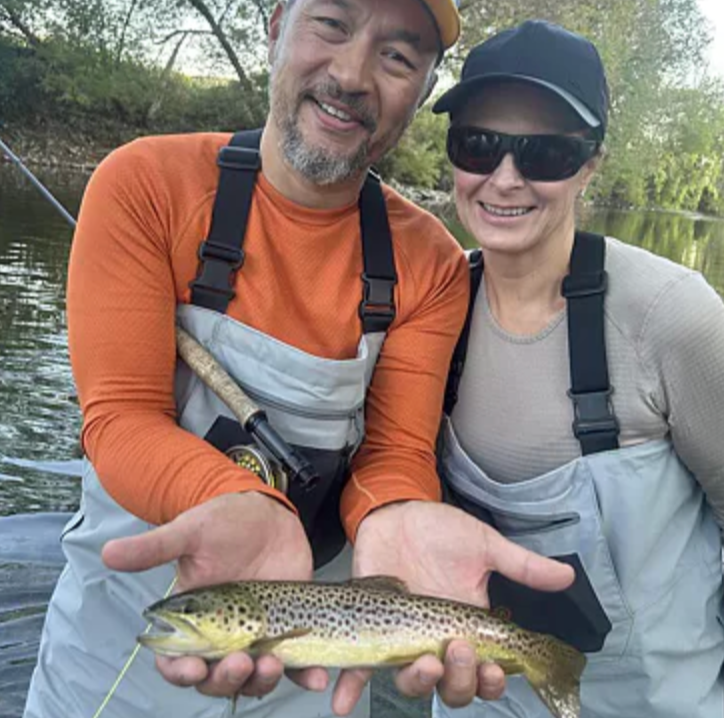
“Able to land a nice brown”
We worked on casting and stripping in line to hopefully land a brown trout. Brew was patient with us and we were able to land a nice brown at the end of our trip.”
– Joe P.
Book Instantly
The Battenkill’s Two Ecosystems
by Brew Moscarello
The Battenkill River supports two ecosystems: the natural one—with its mayfly hatches and seasonal flows—and the human one—with its guides, lodges, and economic relationships that sustain the communities along its banks.
After forty years of fishing here, I've learned you can't sustain one without respecting both.
The Natural Ecosystem
The Battenkill is one of the East's premier trout streams, home to wild brown trout, brook trout, and rainbows. Every fish you catch is part of a larger story—it survived winters, navigated high water and low, and claimed a lie where current and structure provide protection and opportunity.
To guide responsibly means understanding you're a guest in this trout's home, not the other way around.
The Human Ecosystem
Manchester and Arlington have been intertwined with the Battenkill for generations. Local fly shops, inns, restaurants, and guide services all depend on the river's health. This creates a human ecosystem that, at its best, mirrors the natural one: balanced, sustainable, and mutually beneficial.
But not all guide services operate with the same philosophy. Some treat the river as a resource to extract rather than a relationship to nurture.
The Forty-Year Difference
I've watched this river through forty seasons—droughts and floods, the return of wild brook trout to tributaries. This long view changes how you approach guiding. You're thinking about the river your grandchildren will fish, the local businesses that depend on anglers, the community that calls this home.
True conservation means knowing when to avoid stressed fish, teaching proper handling techniques, rotating locations, and sometimes telling a client "not today" when conditions aren't right.
Community Over Competition
At Trico Unlimited, we partner with local businesses and support conservation organizations. We're not trying to dominate the market. We're trying to serve it well.
When competitors steal client lists and undercut relationships, they're not participating in the ecosystem, they're damaging it.
What This Means for You
When you book with Trico Unlimited, you're tapping into forty years of knowledge about this specific river. You're supporting a business that gives back to both ecosystems.
I want you to catch fish, but also to understand why we're fishing a given pool, how to read water yourself, what trout are feeding on. You'll leave with skills you can use anywhere.
The River's Long Memory
Rivers remember. So do communities. They remember who was there during hard years and who only showed up when it was profitable. They remember who built bridges and who burned them.
After forty years, the Battenkill and I have a special kind of relationship. When you fish with me, you're part of an ongoing conversation.
The river will outlast us all. The question is: what will we leave behind?
At Trico Unlimited, we've been answering that every day for forty years.
Come fish with someone who knows not just where the trout are, but why they're there—and what it takes to keep them there for the next forty years.